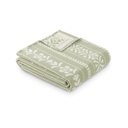






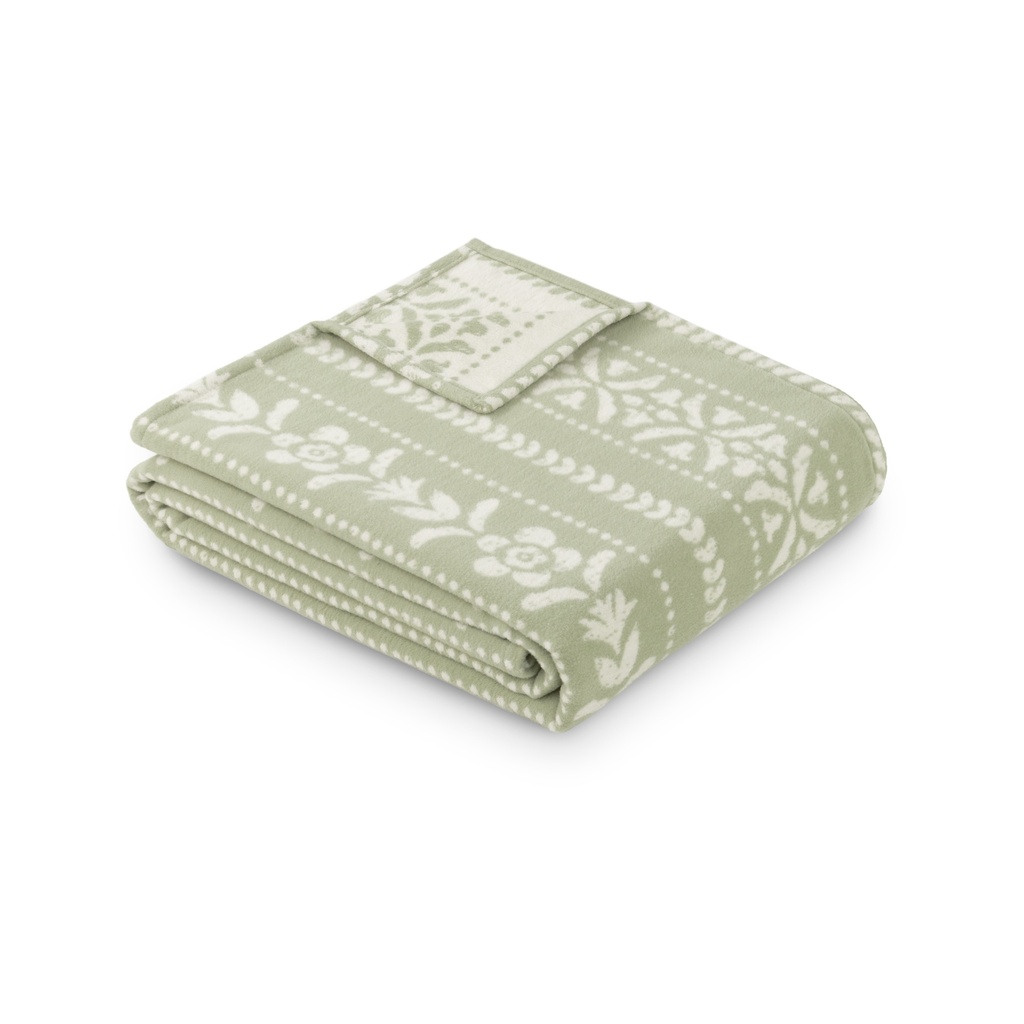

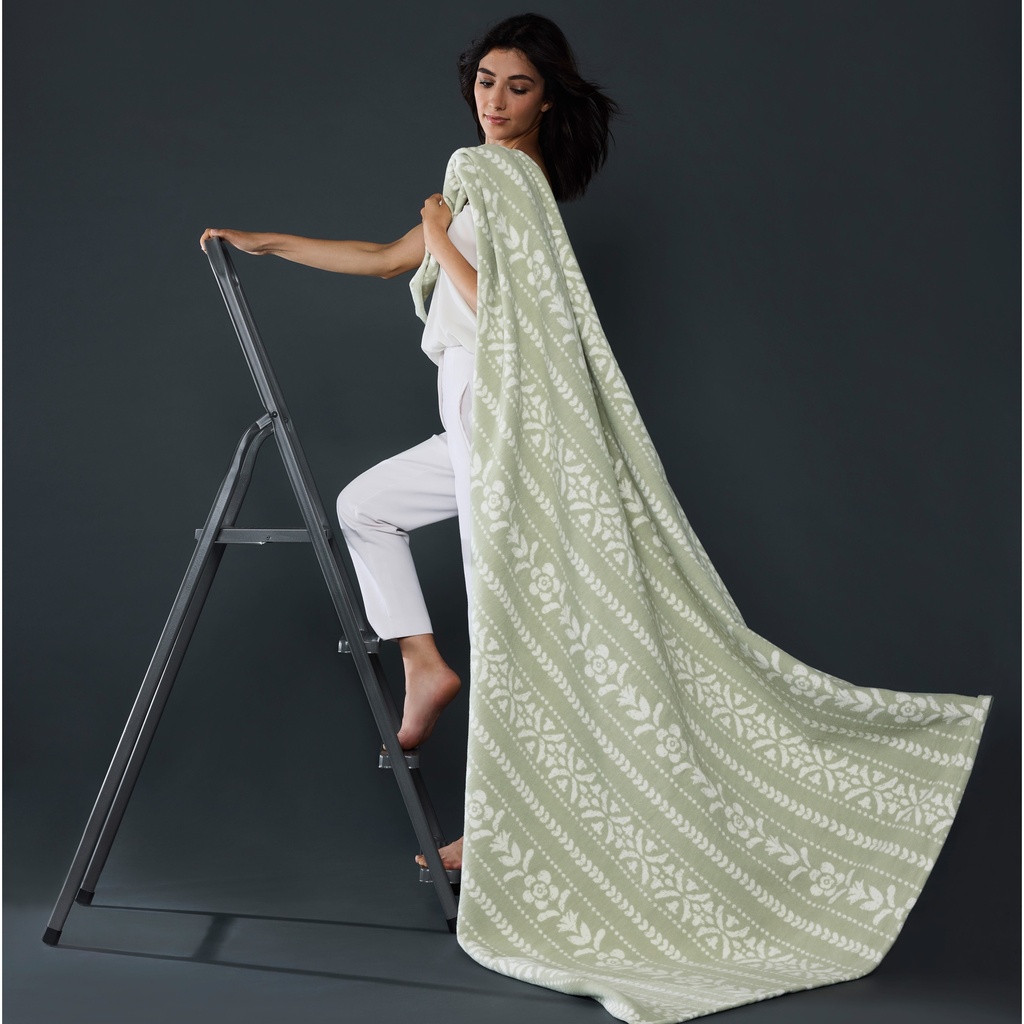
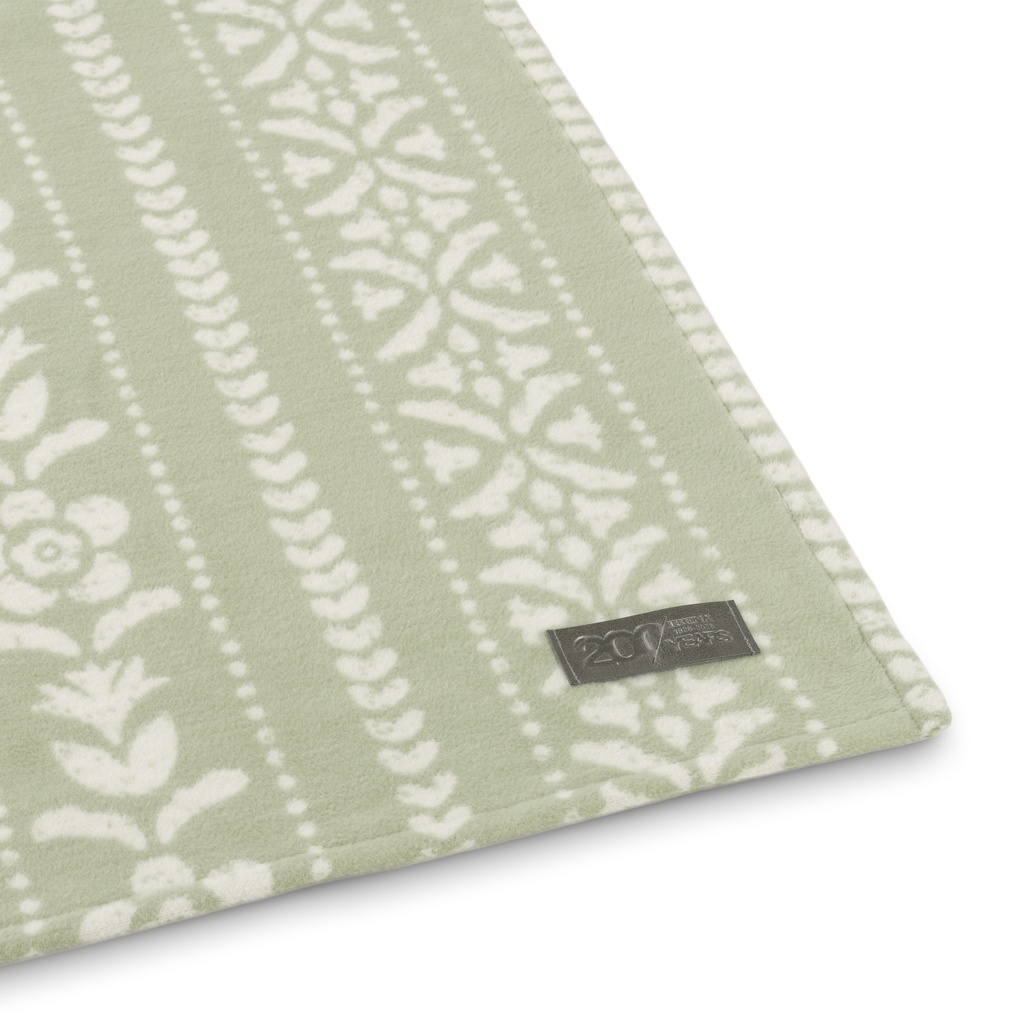
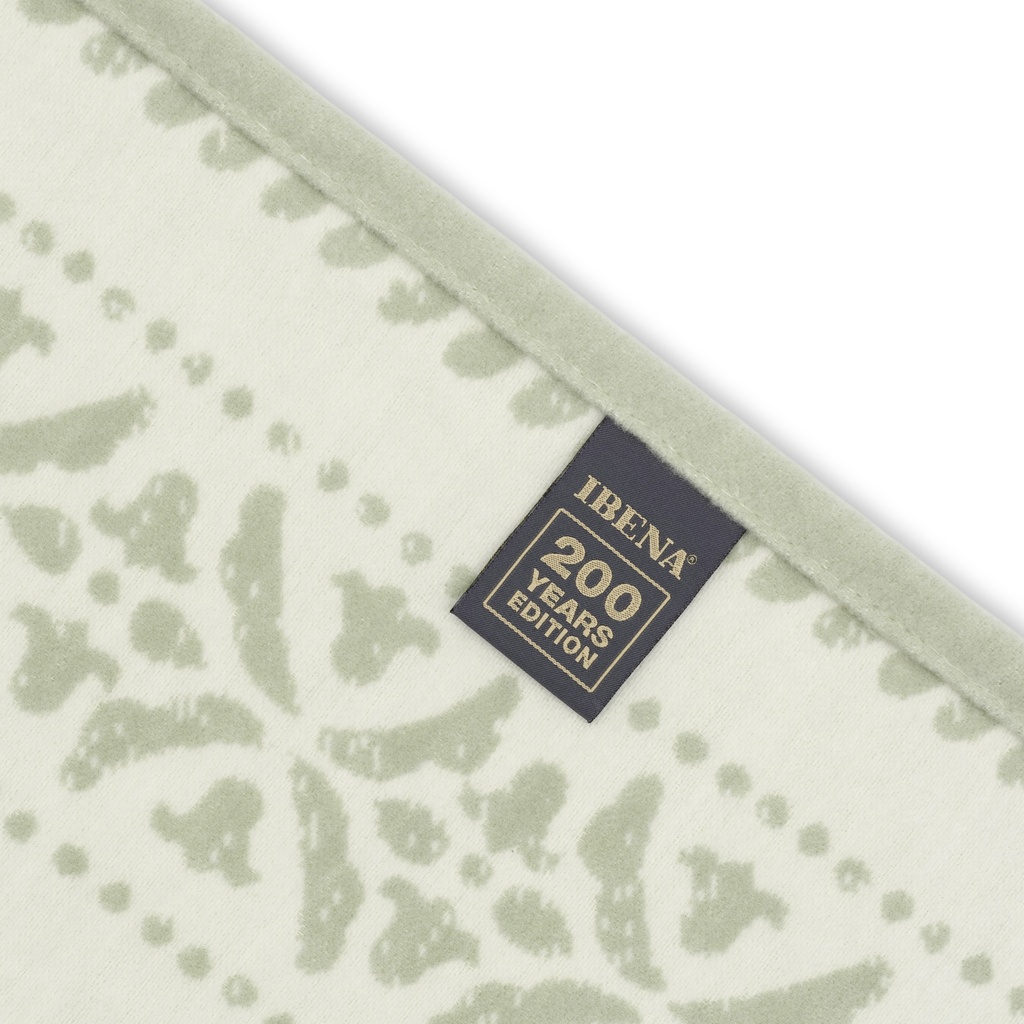
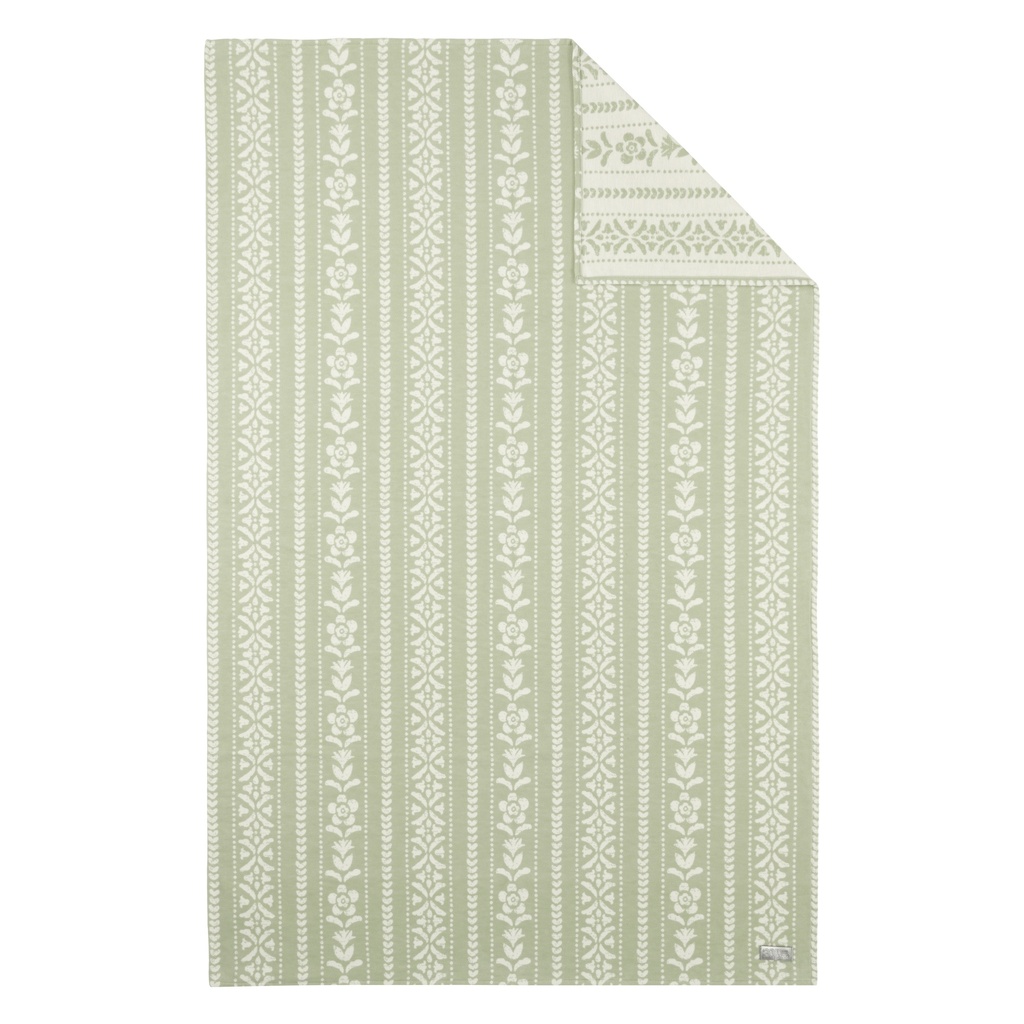


Experience the true essence of Gemütlichkeit - that unmistakable feeling of warmth, comfort and ease. This 100% cotton blanket is designed to create an inviting atmosphere where relaxation comes naturally. Soft to the touch and effortless to care for it stands as a reminder of the Biedermeier period of the 1830s.
Made of 100% GOTS certified organic cotton and certified by OEKO-TEX® Standard 100 which ensures that the blanket contains no chemicals harmful to humans or animals.
The Culture of Living
During these years, everyday life was shaped by a culture of inwardness. Life retreated into the domestic and the familiar, giving rise to a new culture of living. Functionality became more important than grandeur, comfort more important than display. The living room emerged as the center of family life. In the evenings, families gathered here to read aloud to one another, make music, or play cards. The mother sat at the round table embroidering, while the father read the newspaper and the children did their homework. It was an idyll—ca retreat into secure comfort—as a counterpoint to the changes in a world that was growing ever more complex.
From Village to City
The term “pauperism” began to circulate—a specter describing the growing poverty of large segments of the population. Industrialization, still in its early stages, had already displaced thousands of artisans and home-based workers. Many flocked to the cities, only to find little or no work there. Others continued their crafts in rural areas. Beckmann made use of the remaining home weavers: he purchased linen and cotton-silk fabrics directly from home production in his hometown of Krechting and the neighboring village of Krommert, then delivered them to his customers. Because he cultivated personal relationships like few others, his business grew steadily, step by step.
Trade in Transition
On long and arduous journeys—by ship, on horseback, or in stagecoaches—he regularly visited his customers, strengthening relationships and steadily expanding his trade. Even then, the entrepreneurial spirit that continues to define the company today was already evident.
On January 1, 1834, under Prussian leadership, the German Customs Union (Zollverein) was formed—a coalition intended to eliminate the patchwork of internal tariffs and create a unified economic area among the German states. Among the first members were Prussia, Bavaria, Electoral Hesse, the Grand Duchy of Hesse, and Württemberg; additional states joined in the years that followed.
The effects were felt almost immediately. The removal of barriers eased the movement of goods, and J. Beckmann felt the impact as well: fewer obstacles and better business opportunities.
New Dimensions
A major milestone followed on December 7, 1835. The first passenger railway line in Germany opened on a six-kilometer stretch between Nuremberg and Fürth, pulled by the steam locomotive Adler. With this moment, the railway age began in Germany—a turning point that redefined both time and space. The new connection significantly shortened distances, made markets more accessible, and provided a powerful impetus for industrialization.
Despite the retreat into private life, progress was unmistakably on the horizon. The Biedermeier period existed in a state of tension between conservative stagnation and quiet yet profound change.

To install this Web App in your iPhone/iPad press
 and then Add to Home Screen.