


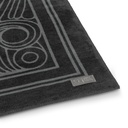
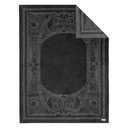

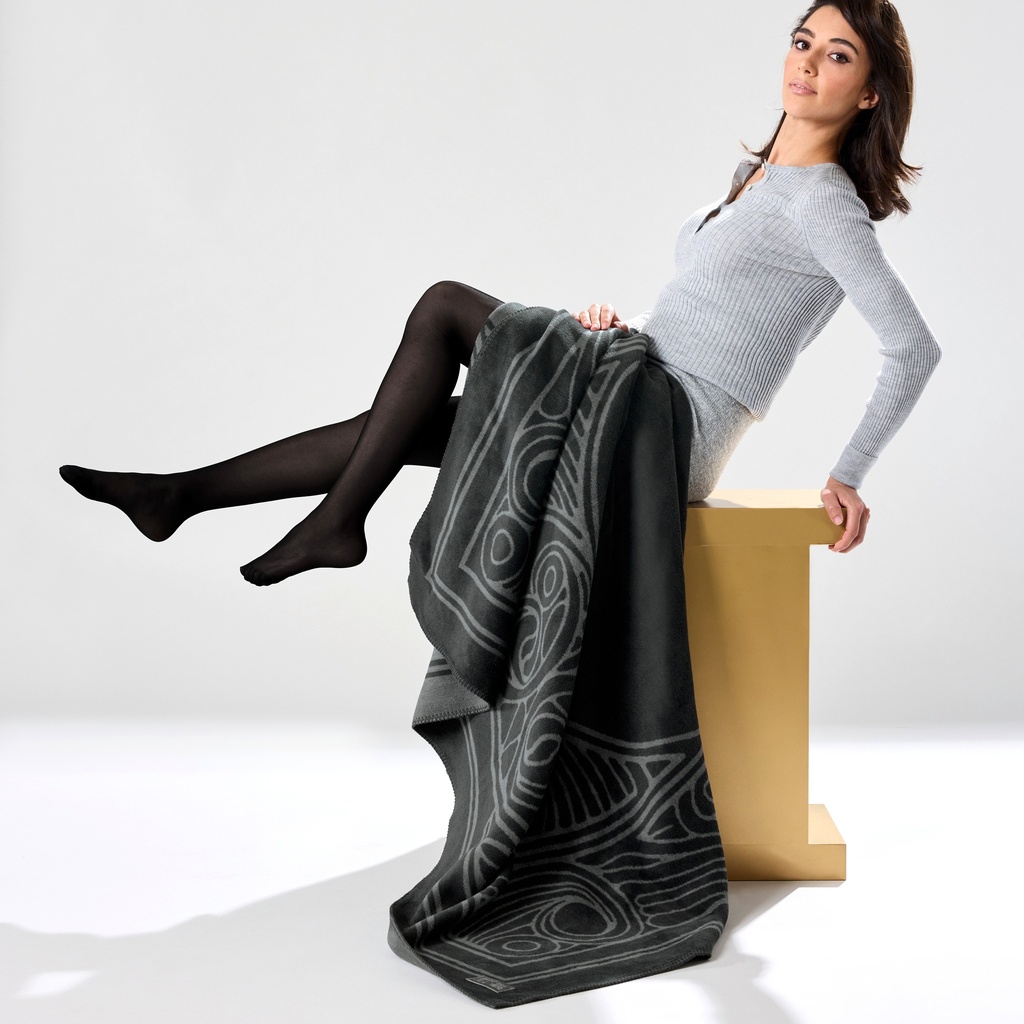
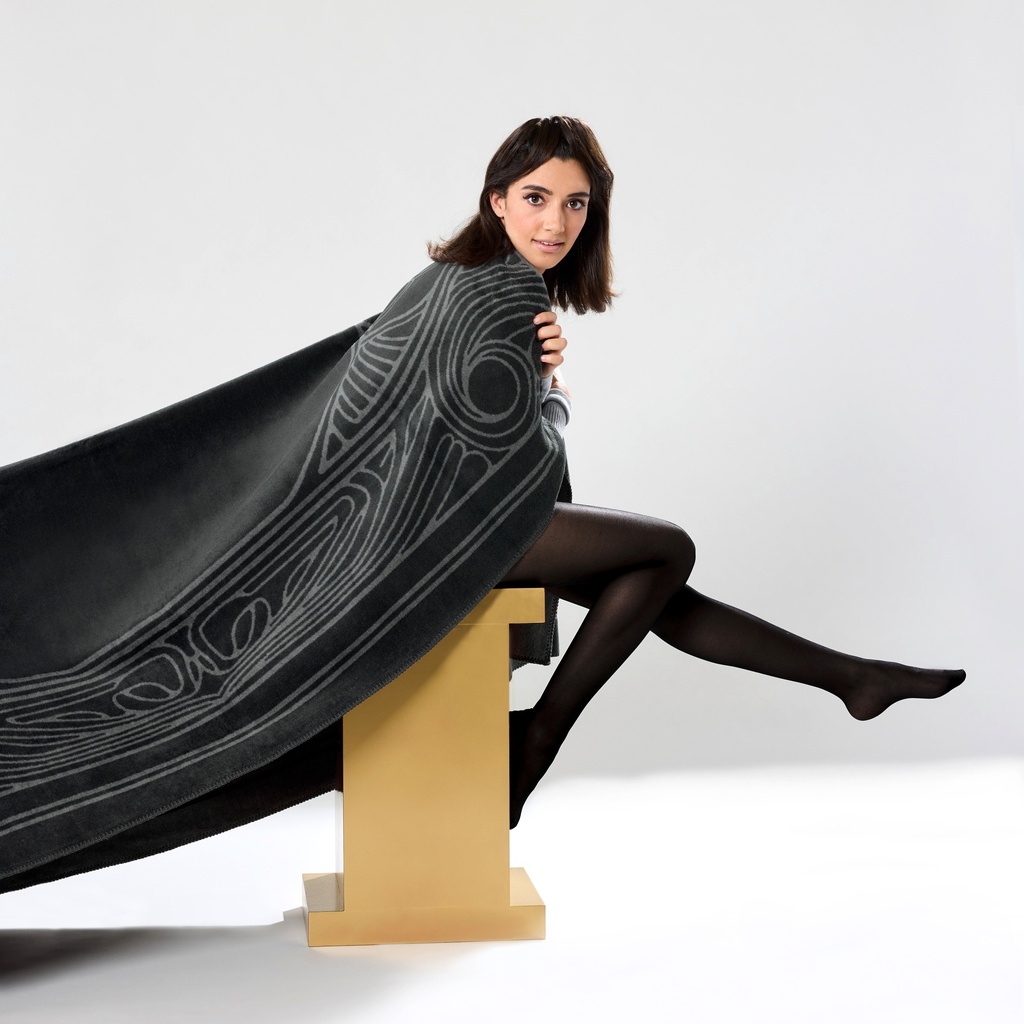
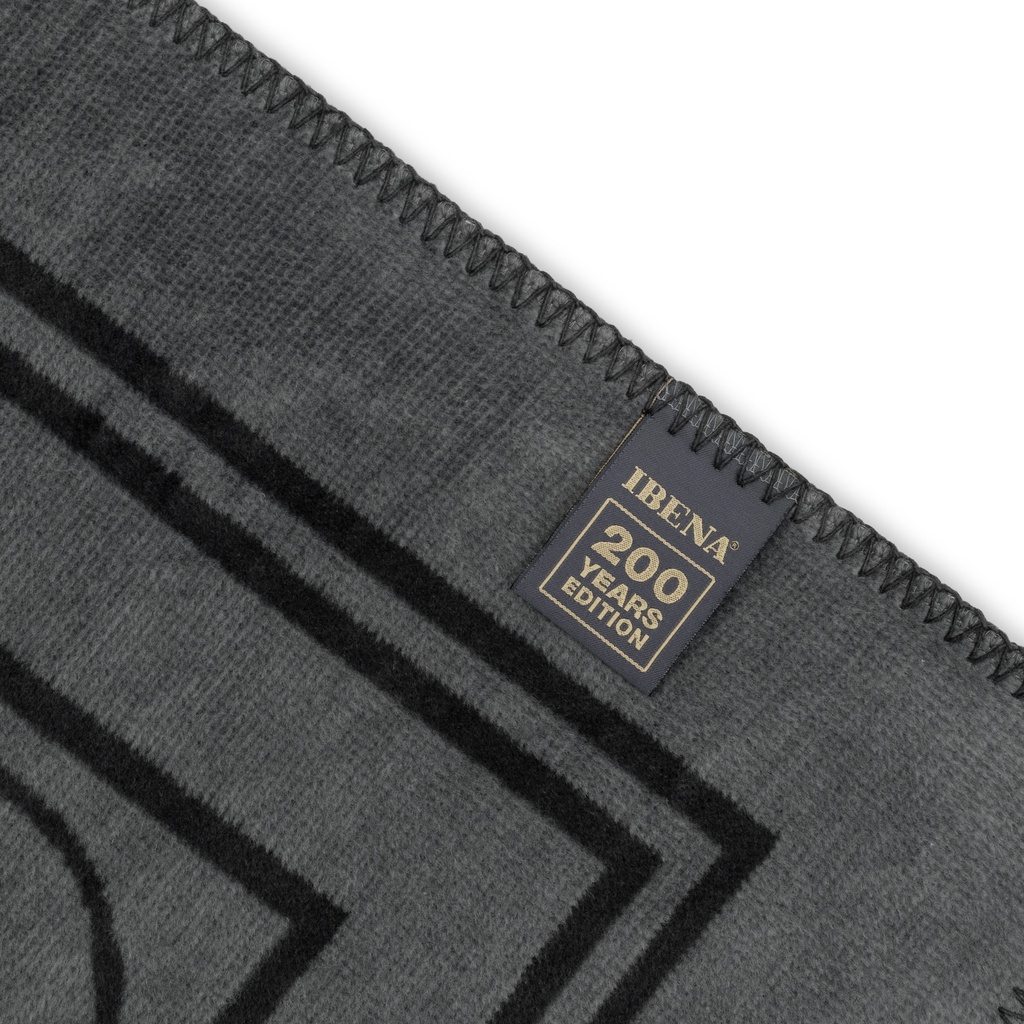
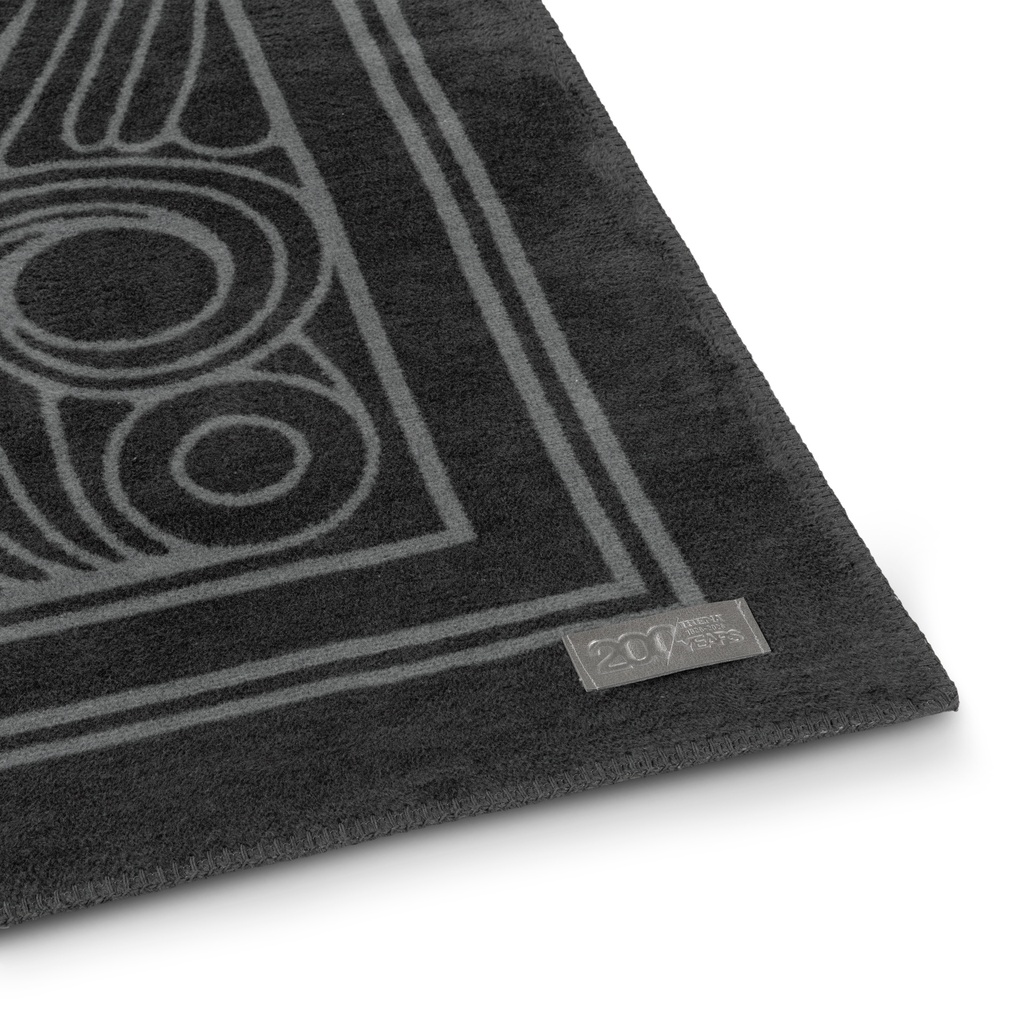
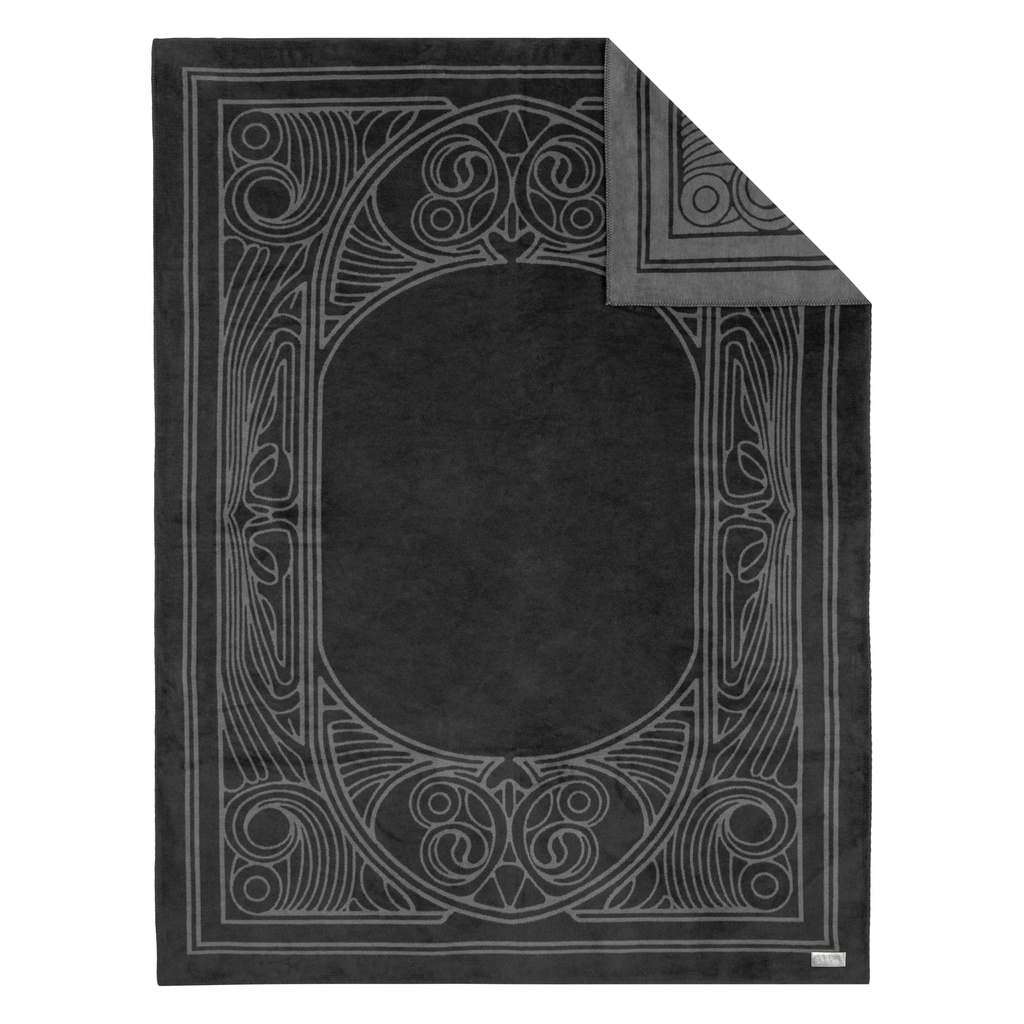

Inspired by the refined elegance of early 20th-century Art Nouveau, this blanket captures the movement’s signature flowing lines in a modern, understated way. Set in a sophisticated dark gray tone, the design is adorned with gently curved ornamental details—graceful, stylish, and beautifully minimal.
Crafted from a premium cotton blend, the blanket offers a wonderfully soft, plush feel that invites you to relax in comfort. Its timeless color palette and elegant pattern make it a perfect accent for contemporary interiors, adding a touch of artistic heritage without overwhelming the space.Easy to care for and made for everyday living, it is machine washable and dryer friendly, maintaining its velvety softness and luxurious appearance wash after wash. A true statement of modern sophistication inspired by classic design.
Certified by OEKO-TEX® Standard 100 which ensures that the blanket contains no chemicals harmful to humans or animals.
Society in Transition
While Art Nouveau, with its flowing lines, shaped the aesthetics of everyday life, new scientific discoveries were radically overturning the worldview. Within just a few years, Planck’s quantum formula (1900), Freud’s psychoanalysis (1901), and Einstein’s theory of relativity (1905) transformed perceptions of humanity, space, and time. Nothing seemed as self-evident as it had before.
Profound changes were unfolding in society as well. With the Civil Code (1900), a unified legal framework was established for the first time, and the Child Protection Act (1904) set new standards in the treatment of family and youth. At the same time, secularization and industrialization reshaped the boundaries between public and private life. It was an era in which old structures were questioned and new ideas had to be fought for.
Textile Crisis and New Horizons
At the dawn of the 20th century, the textile industry faced an uncertain future. Between 1900 and 1905, a severe economic crisis brought many businesses to their knees. The recession weakened purchasing power, while cotton prices fluctuated sharply on global markets. In Bocholt, too, numerous companies were forced to close their doors—a painful blow for a region whose rhythm was defined by the clatter of looms.
H. Beckmann Söhne began seeking opportunities beyond national borders. From 1905 onward, the company exported Jacquard blankets to England, supplied ponchos to South America, and shipped fringed throws and shawls as far as British India. International trade became a permanent pillar of the business model—a bold step taken in the midst of crisis.
Independence Through Innovation
With the introduction of its own finishing facilities in 1907, the company gained greater independence within the production chain. Stability and self-reliance became key to surviving the turbulence of the industry.
In early 1908, this spirit of optimism was dampened by loss: on January 4, Heinrich Beckmann, father of the two company founders, passed away. The full extent of his influence as an experienced advisor behind the scenes can hardly be measured today, yet his impact undoubtedly shaped the company in decisive ways.
A Generational Transition
J. Beckmann Nachfolger proved remarkably resilient. Without layoffs and without endangering the existence of the business, the company navigated the difficult years of the textile crisis with foresight and steadiness. For sixteen years, Josef Albert Beckmann had already supported his uncle in the company’s leadership. In 1908, the moment arrived: Albert Beckmann officially transferred responsibility to his nephew and granted him power of attorney—a clear signal of continuity and confidence in a new generation of entrepreneurs.

Inspired by the refined elegance of early 20th-century Art Nouveau, this blanket captures the movement’s signature flowing lines in a modern, understated way. Set in a sophisticated dark gray tone, the design is adorned with gently curved ornamental details—graceful, stylish, and beautifully minimal.
Crafted from a premium cotton blend, the blanket offers a wonderfully soft, plush feel that invites you to relax in comfort. Its timeless color palette and elegant pattern make it a perfect accent for contemporary interiors, adding a touch of artistic heritage without overwhelming the space.Easy to care for and made for everyday living, it is machine washable and dryer friendly, maintaining its velvety softness and luxurious appearance wash after wash. A true statement of modern sophistication inspired by classic design.
Certified by OEKO-TEX® Standard 100 which ensures that the blanket contains no chemicals harmful to humans or animals.
Society in Transition
While Art Nouveau, with its flowing lines, shaped the aesthetics of everyday life, new scientific discoveries were radically overturning the worldview. Within just a few years, Planck’s quantum formula (1900), Freud’s psychoanalysis (1901), and Einstein’s theory of relativity (1905) transformed perceptions of humanity, space, and time. Nothing seemed as self-evident as it had before.
Profound changes were unfolding in society as well. With the Civil Code (1900), a unified legal framework was established for the first time, and the Child Protection Act (1904) set new standards in the treatment of family and youth. At the same time, secularization and industrialization reshaped the boundaries between public and private life. It was an era in which old structures were questioned and new ideas had to be fought for.
Textile Crisis and New Horizons
At the dawn of the 20th century, the textile industry faced an uncertain future. Between 1900 and 1905, a severe economic crisis brought many businesses to their knees. The recession weakened purchasing power, while cotton prices fluctuated sharply on global markets. In Bocholt, too, numerous companies were forced to close their doors—a painful blow for a region whose rhythm was defined by the clatter of looms.
H. Beckmann Söhne began seeking opportunities beyond national borders. From 1905 onward, the company exported Jacquard blankets to England, supplied ponchos to South America, and shipped fringed throws and shawls as far as British India. International trade became a permanent pillar of the business model—a bold step taken in the midst of crisis.
Independence Through Innovation
With the introduction of its own finishing facilities in 1907, the company gained greater independence within the production chain. Stability and self-reliance became key to surviving the turbulence of the industry.
In early 1908, this spirit of optimism was dampened by loss: on January 4, Heinrich Beckmann, father of the two company founders, passed away. The full extent of his influence as an experienced advisor behind the scenes can hardly be measured today, yet his impact undoubtedly shaped the company in decisive ways.
A Generational Transition
J. Beckmann Nachfolger proved remarkably resilient. Without layoffs and without endangering the existence of the business, the company navigated the difficult years of the textile crisis with foresight and steadiness. For sixteen years, Josef Albert Beckmann had already supported his uncle in the company’s leadership. In 1908, the moment arrived: Albert Beckmann officially transferred responsibility to his nephew and granted him power of attorney—a clear signal of continuity and confidence in a new generation of entrepreneurs.

To install this Web App in your iPhone/iPad press
 and then Add to Home Screen.