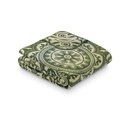


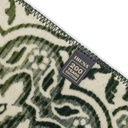
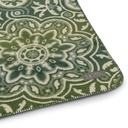



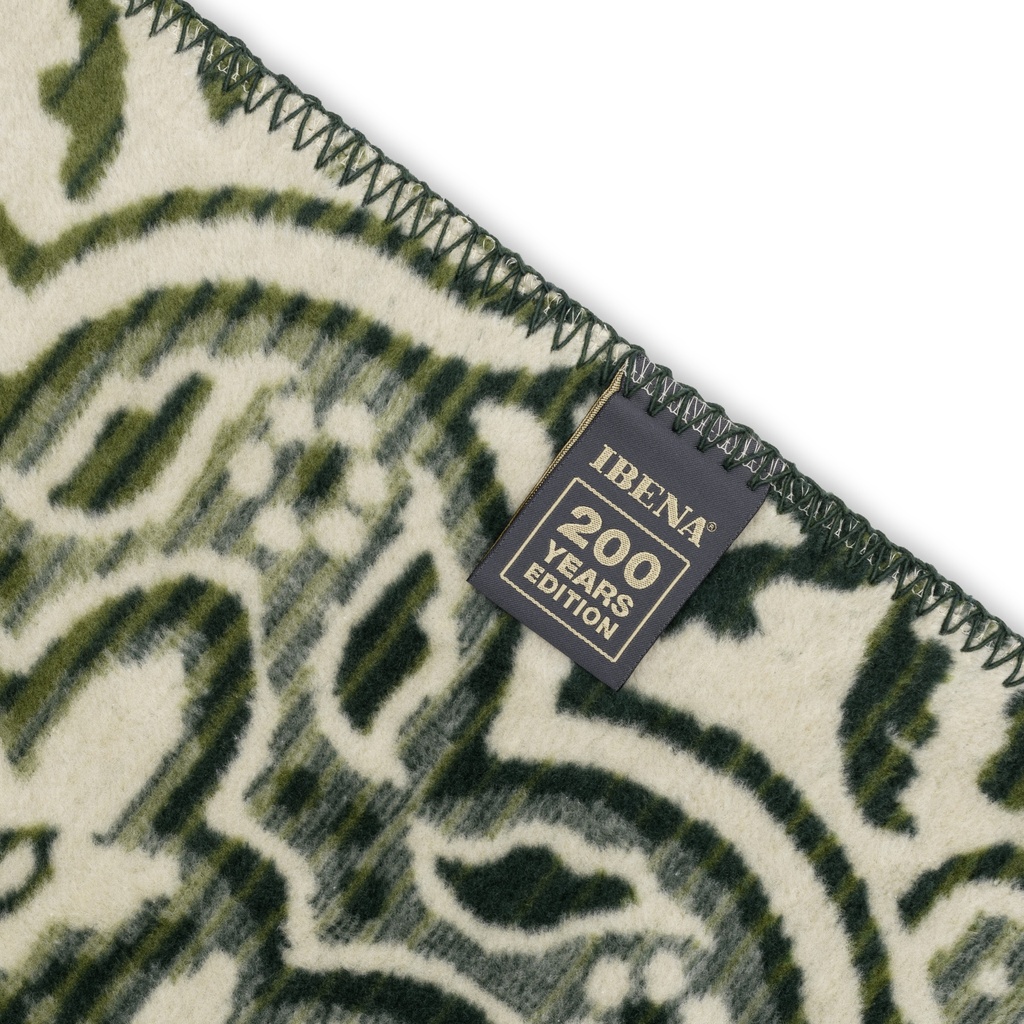

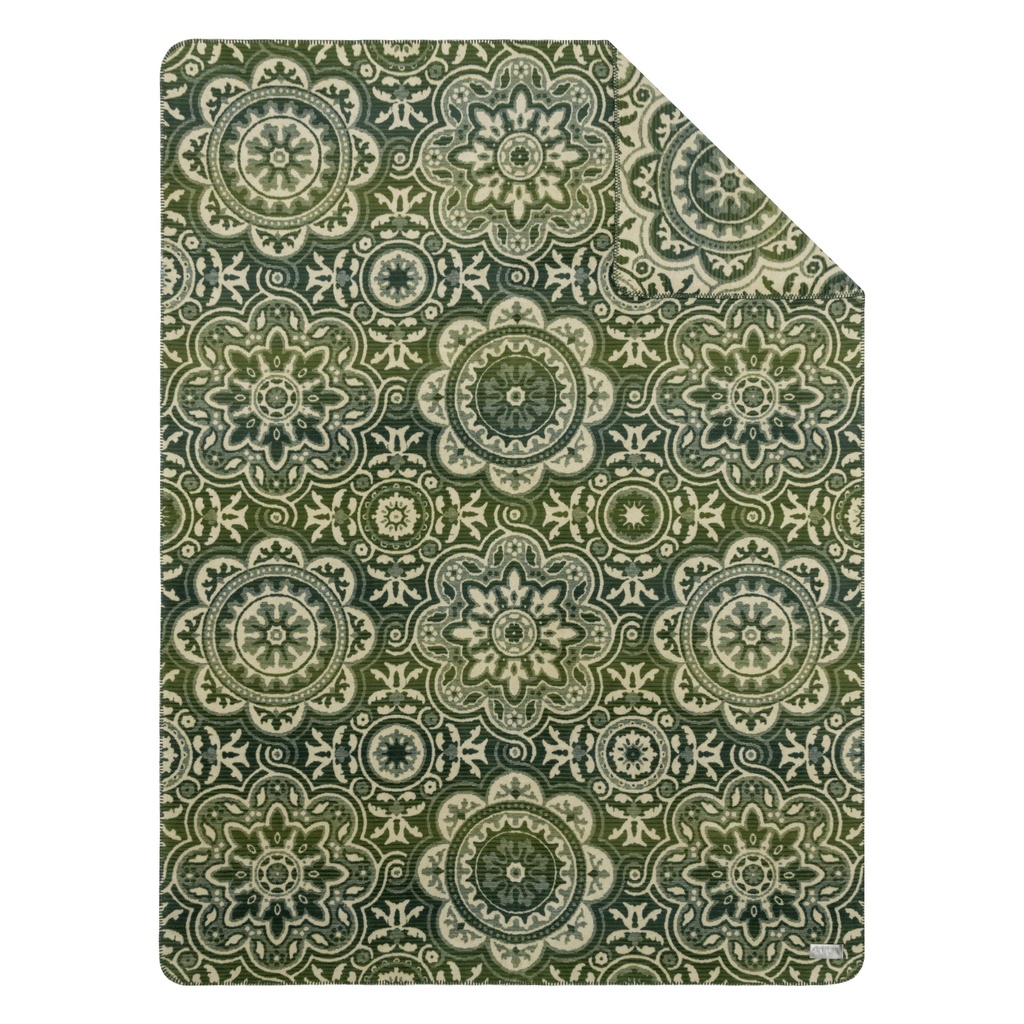

The design of this blanket is inspired by the rich aesthetic of the Gründerzeit era, featuring lush ornamentation in muted shades of green that symbolize prosperity, renewal, and a spirit of progress. Rooted in historical elegance yet perfectly suited for modern interiors, the pattern brings timeless sophistication and warmth to any space.
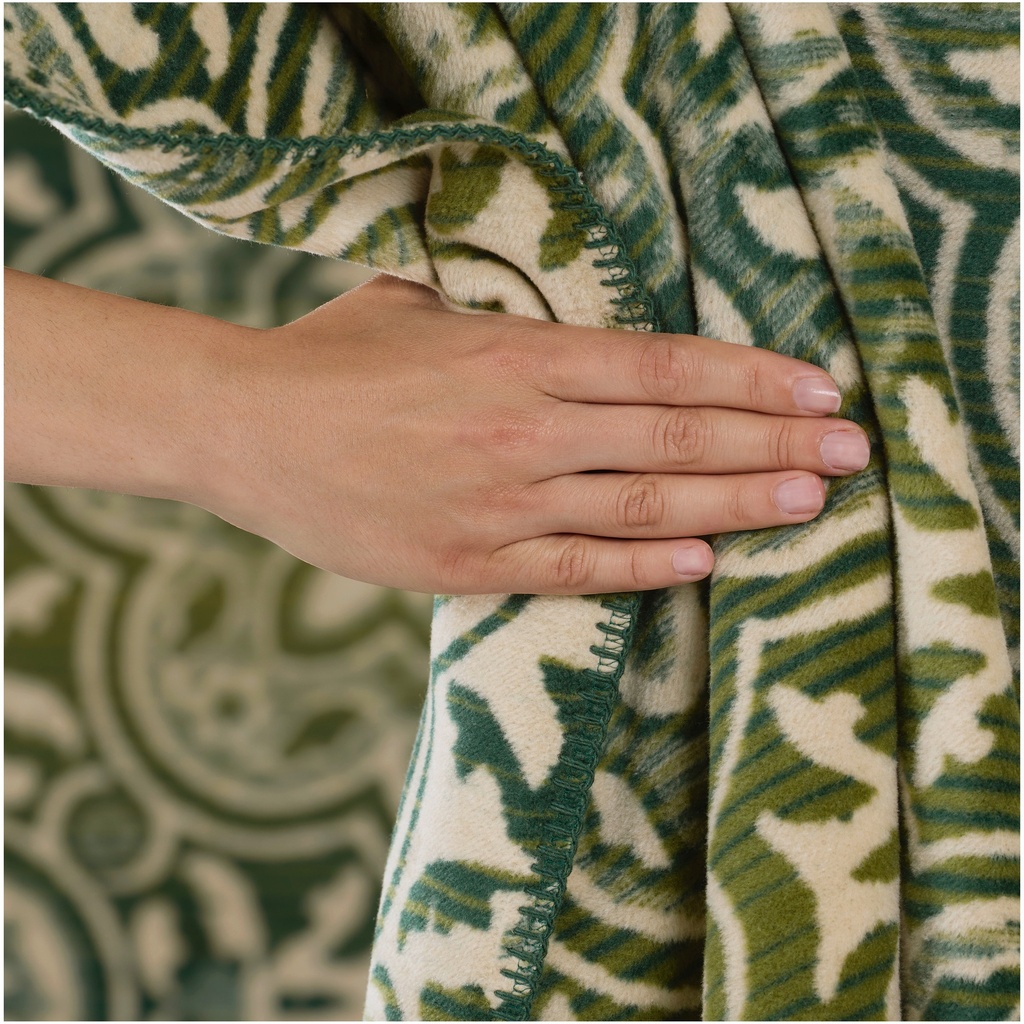
Crafted from a premium cotton-blend fabric, this blanket is not only visually striking but also wonderfully soft to the touch. Its plush velour surface offers a gentle, cozy texture that invites you to relax and unwind. Designed for everyday comfort, it is easy to care for as well—machine washable and dryer friendly, with lasting softness and vibrant beauty wash after wash.
A perfect combination of heritage-inspired design, luxurious feel, and effortless practicality.
Certified by OEKO-TEX® Standard 100 which ensures that the blanket contains no chemicals harmful to humans or animals.
Between Splendor and Crisis
With victory in the Franco-Prussian War and the founding of the German Empire on January 18, 1871, a new sense of national pride awakened. Germany experienced an economic boom that caused cities to expand, bourgeois townhouses to shine in splendor, and industry to accelerate at an unprecedented pace. Yet this brilliance also had its darker sides.
A Rush of Possibilities
Architecture, interior culture, and lifestyle reflected the confidence of an entire era. Historicist façades, richly decorated interiors, and upper-middle-class display—everything was meant to embody grandeur, style, and optimism. The Gründerzeit was not only an architectural phenomenon, but also a social statement, driven by the conviction that the future belonged to those bold enough to shape it.
Chaos on the Stock Market, Order in the Factory
But the euphoria did not last. In 1873, the Gründerkrach shook the financial world: a banking and stock-market crisis that abruptly slowed the upswing. Many businesses began to falter, speculative bubbles burst, and uncertainty spread.
The Beckmann brothers, however, stayed the course. Rather than allowing the crisis to paralyze them, they introduced their own factory regulations in 1875—a clear signal of discipline, organization, and operational security.
Farewell and a New Beginning
The year 1875 brought not only innovation, but also a profound loss for the Beckmann family. On August 8, 1875, Josef Philipp Beckmann died—the founder and visionary who had laid the foundation for the company. Only a few months later, his sons Heinrich and Albert officially assumed leadership.
With this generational transition, a new chapter began, carried by responsibility and the determination to continue the family tradition.
Staying the Course in Stormy Times
Despite political tensions—such as the Anti-Socialist Laws of 1878, which sought to suppress the emerging labor movement—the company remained stable. Where others wavered, “J. Beckmann” demonstrated steadfastness and foresight.
In this way, “J. Beckmann” became a symbol of the Gründer years: thorough in action, courageous in progress, and clear in its sense of responsibility.

To install this Web App in your iPhone/iPad press
 and then Add to Home Screen.